
Determining Calibration Frequency
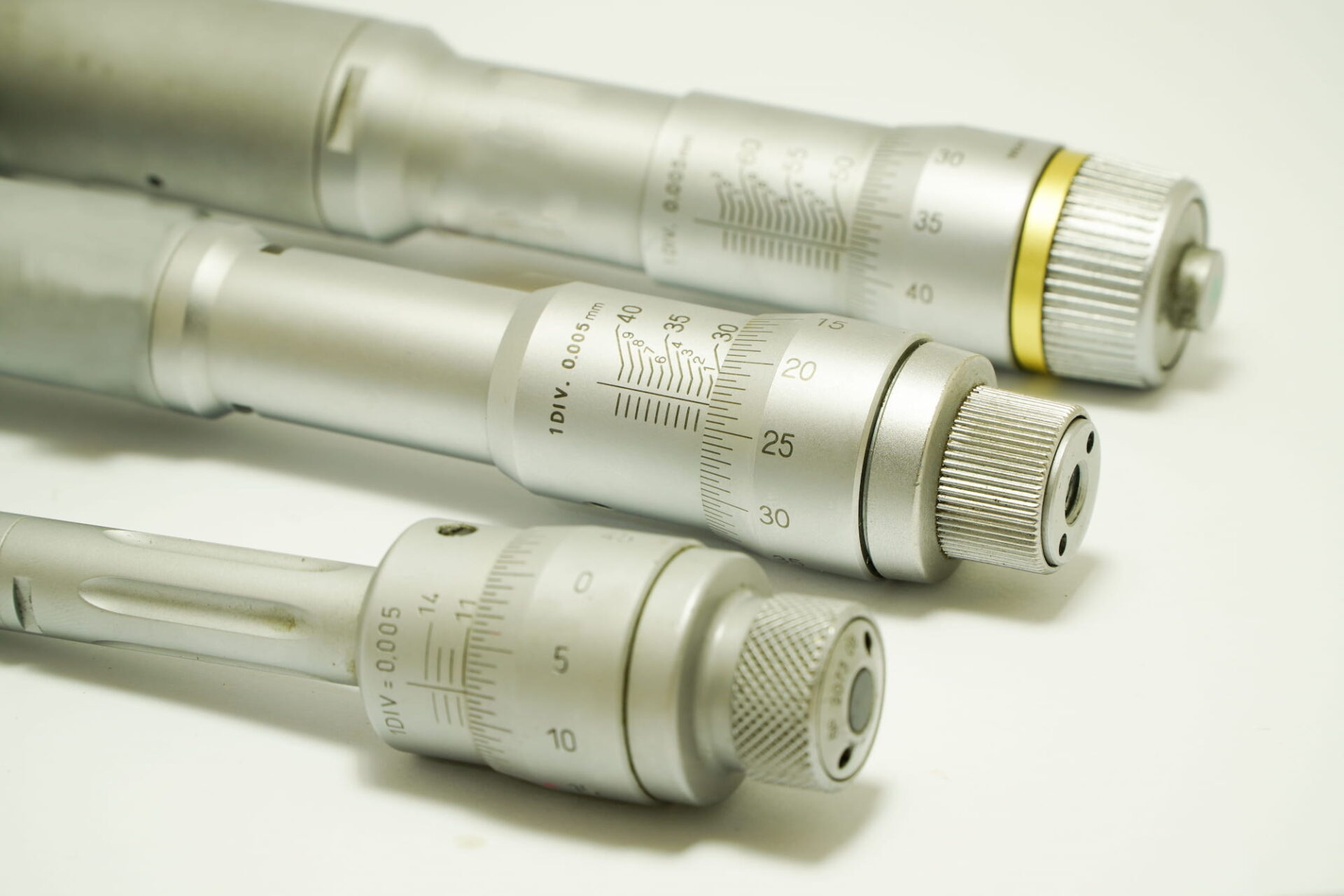
The calibration of a measuring tool, instrument, or master compares a measurement reading from the calibrated item with a known value from a reference instrument or standard. Variations between the reading and the known value determine the performance limitations of the tool, instrument, or master.
Inception of Calibration
It is often a good policy to calibrate measuring instruments before their first use; this will establish a measurement history for future reference and comparison. Tracking the calibration history of an instrument and how long it has remained within the specification limits will help make decisions about future calibration frequencies or intervals.
What Goes Into a Calibration Schedule?
Shorter intervals between calibrations may reduce the risk of questionable measurements. When determining the frequency of calibration, consider factors that may affect measurement accuracy:
- Usage patterns of the instrument are the driving factor in calibration: the more regular the usage, the more frequent the calibration.
- Environmental conditions (e.g., humidity, temperature, vibration) where the instrument is stored and used.
- The required uncertainty in measurement.
- Any special requirements of your company’s quality control program may necessitate more frequent calibration.
Laboratory Testing has its full-service calibration lab called LTI Metrology to keep all of your measuring instruments in optimal condition and performing accurately. Contact us to order new instruments and parts or to schedule calibration services.
Other Related Articles
End-to-End Additive Manufacturing Testing, All Under One Roof
End-to-end additive manufacturing testing at Laboratory Testing (LTI), supporting AM programs from powder characterization to fully printed parts and builds.…
How Machine Shops Can Make Their Calibration Program Audit-Ready
Machine shops are seeing more audit findings tied directly to their calibration providers. The standards have not changed, but enforcement…
3 Ways to Keep Your Materials Testing Project Moving Efficiently
At LTI, we deliver best-in-class turnaround times, completing over 4,000 orders last year with an average of 3.39 days compared…
LTI Leads the Way with EB/NNS Level 3 Certification
As the Naval Shipbuilders Program moves toward full implementation in 2025, Laboratory Testing (LTI) stands out as a leader in…
Introduction to the ASTM E606 Standard
Low-Cycle Fatigue Testing and the Standards Set Forth by ASTM In the world of engineering, materials are often subjected to…
The Top 5 Consequences of Industrial Operations Not Calibrating Their Equipment
In the fast-paced world of industrial operations, precision is not just a goal—it’s a necessity. Calibration of equipment, a process…