
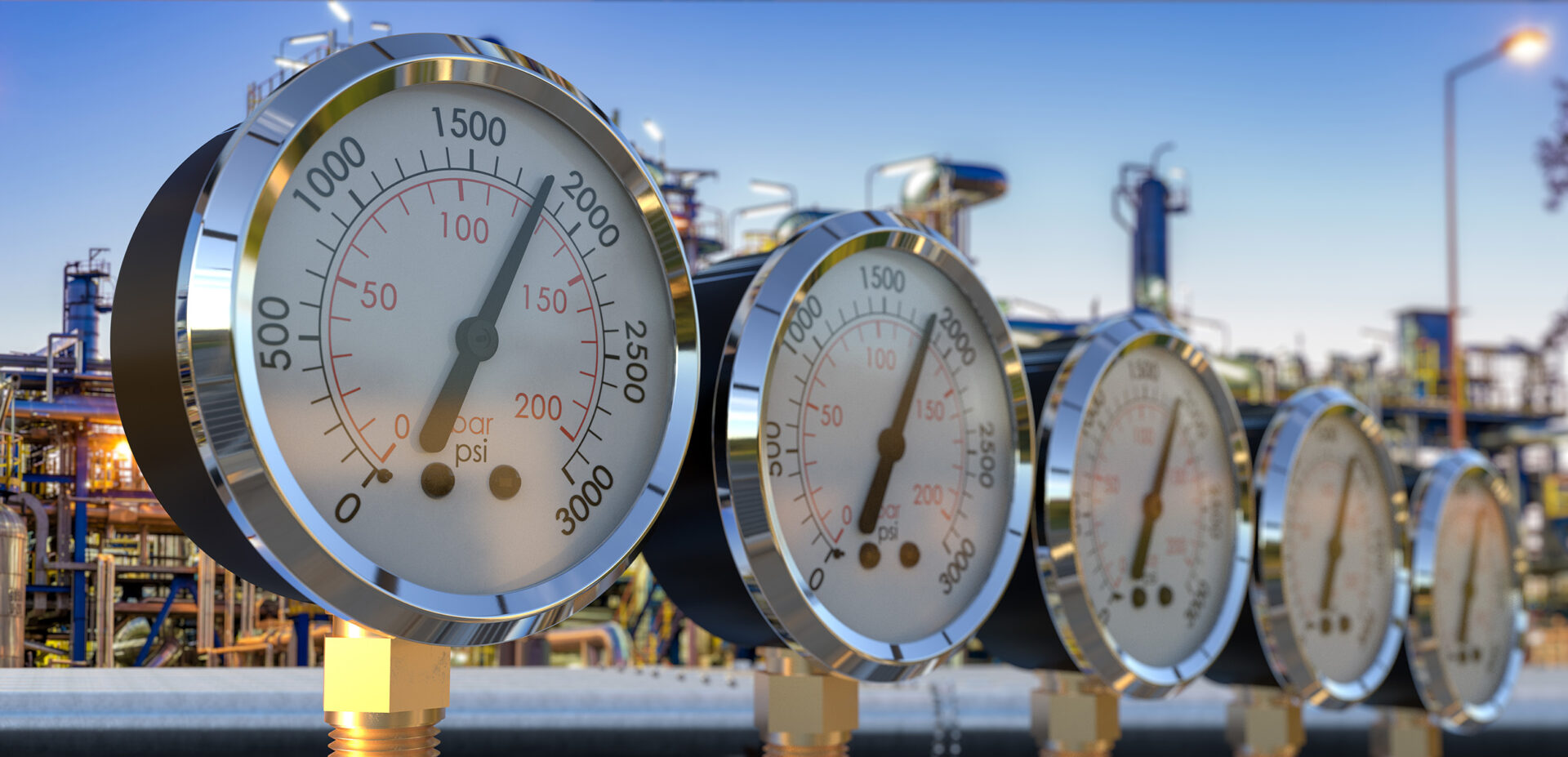
In the fast-paced world of industrial operations, precision is not just a goal—it’s a necessity. Calibration of equipment, a process of ensuring instruments and devices are producing accurate results within specified limits, is a critical task that cannot be overlooked. However, many industries still fall short in maintaining regular calibration schedules, leading to significant consequences. Here are the top five repercussions of not calibrating industrial equipment:
1. Reduced Product Quality
One of the most immediate and noticeable consequences of poorly calibrated equipment is the decline in product quality. Manufacturing processes often rely on precise measurements and controls to ensure products meet specified standards. Without regular calibration, equipment can produce inaccurate measurements, leading to defects, inconsistencies, and a higher rate of product rejections. This not only affects customer satisfaction but also increases waste and production costs.
2. Increased Safety Risks
Safety is paramount in industrial operations. Equipment that is not properly calibrated can pose serious safety hazards. For example, incorrect readings from pressure gauges, temperature sensors, or flow meters can lead to unsafe operating conditions, potentially causing accidents, injuries, or even fatalities. Ensuring all equipment functions accurately can help maintain a safe working environment and prevent costly and tragic incidents.
3. Higher Operational Costs
Failure to calibrate equipment can lead to a cascade of operational inefficiencies. Inaccurate measurements can cause machinery to operate under suboptimal conditions, leading to increased wear and tear. This not only shortens the lifespan of equipment but also escalates maintenance costs and downtime. Furthermore, the cost of rectifying issues caused by faulty equipment can far exceed the expense of regular calibration.
4. Non-Compliance with Regulations
Industries are subject to strict regulatory standards that often mandate regular calibration of equipment. Non-compliance can result in severe penalties, including fines, legal action, and loss of certifications or licenses. Regulatory bodies enforce these standards to ensure safety, environmental protection, and product reliability. Thus, failing to comply not only jeopardizes operational legality but can also damage an organization’s reputation and market position.
5. Loss of Customer Trust
In industries where precision is crucial, such as pharmaceuticals, aerospace, and food production, maintaining customer trust is vital. When equipment is not calibrated correctly, the quality and safety of products can be compromised. If customers receive faulty or substandard products, it can lead to loss of trust and damage to the brand’s reputation. In a competitive market, rebuilding trust is a long and challenging process, and it may lead to significant loss of business.
Conclusion
Regular calibration of industrial equipment is not just a technical necessity but a fundamental aspect of operational excellence. It ensures product quality, enhances safety, reduces operational costs, ensures regulatory compliance, and maintains customer trust. Neglecting this critical maintenance task can have far-reaching consequences, affecting every aspect of industrial operations. Therefore, implementing and adhering to a rigorous calibration schedule is essential for sustaining efficiency, reliability, and competitiveness in the industrial sector.
Contact Laboratory Testing today to learn more about our comprehensive calibration services, including calibrations at your location within 125 miles of our lab. Minimize operational downtime, and ensure the consequences above don’t happen to you. Visit our website or call us for a consultation and quote.
Other Related Articles
End-to-End Additive Manufacturing Testing, All Under One Roof
End-to-end additive manufacturing testing at Laboratory Testing (LTI), supporting AM programs from powder characterization to fully printed parts and builds.…
How Machine Shops Can Make Their Calibration Program Audit-Ready
Machine shops are seeing more audit findings tied directly to their calibration providers. The standards have not changed, but enforcement…
3 Ways to Keep Your Materials Testing Project Moving Efficiently
At LTI, we deliver best-in-class turnaround times, completing over 4,000 orders last year with an average of 3.39 days compared…
LTI Leads the Way with EB/NNS Level 3 Certification
As the Naval Shipbuilders Program moves toward full implementation in 2025, Laboratory Testing (LTI) stands out as a leader in…
Introduction to the ASTM E606 Standard
Low-Cycle Fatigue Testing and the Standards Set Forth by ASTM In the world of engineering, materials are often subjected to…
The Benefits of Choosing a Calibration Company that Offers Instrument Replacement and Purchasing Services
In the demanding world of industrial manufacturing and quality assurance, selecting the right calibration partner can significantly impact your operational…