
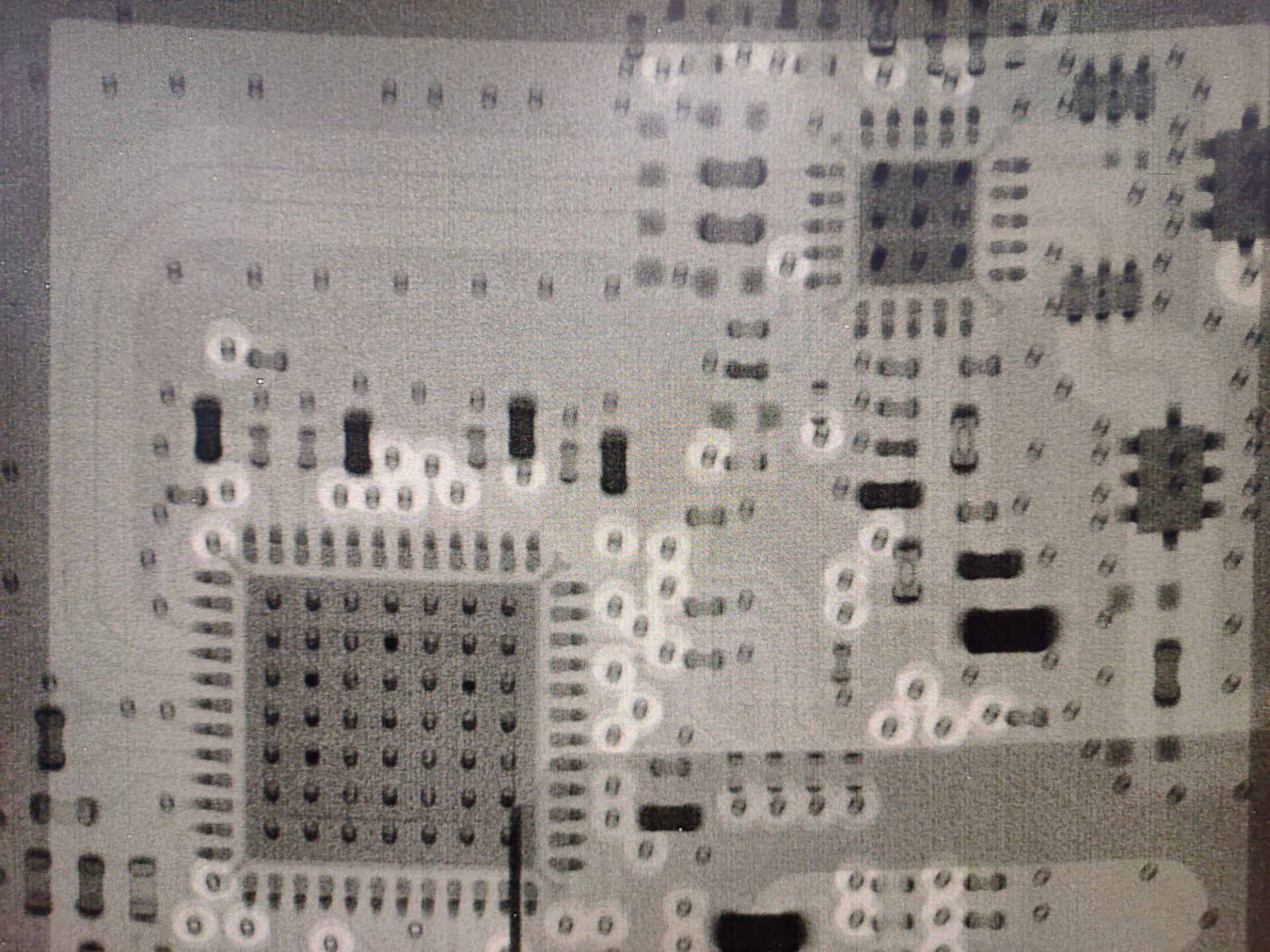
A Quality Magazine article by Jason Tucker entitled “Inspecting Plastics and Electronics With Conventional X-Ray” explains that industrial radiography is no longer primarily a metal inspection process. There is a growing demand for radiographic or x-ray inspection from manufacturers and buyers who want information about flaws and features below the surface.
The article discusses the value of using radiographic inspection to look for irregularities in plastic, silicone, and rubber products, as well as in electronic components. Jason mentions unique uses for this inspection method, including inspecting paintings for hidden documents and studying underpainting layers for museum curators and archivists. This method is also helpful in analyzing damaged components during fire investigations to determine the cause of the fire.
Reliable Product Verification
Radiographic inspection is a nondestructive testing method that provides valuable information and quality assurance without compromising the integrity of the test piece. Manufacturers and buyers in the medical, aerospace, defense, and other industries rely on X-ray inspection for verification.
In his article, Jason explains that two types of industrial radiography are available: Computed Radiography (CR) with digital results and Conventional Radiography (XR) using film. Both methods are offered by the X-ray Inspection Department at Laboratory Testing and have been used to inspect a range of samples made of metals, polymers, and more.
X-Ray Inspection Options With LTI
Products and raw materials of varying shapes and sizes are inspected at LTI, including tubing, pipe, castings, weld plates, injection molding, circuit boards, and batteries. Industrial radiography is performed to MIL and ASTM specifications, and certified NDT Level II and Level III technicians evaluate the digital and film images. The results of the inspection are provided to clients in Certified Test Reports.
Other Related Articles
End-to-End Additive Manufacturing Testing, All Under One Roof
End-to-end additive manufacturing testing at Laboratory Testing (LTI), supporting AM programs from powder characterization to fully printed parts and builds.…
How Machine Shops Can Make Their Calibration Program Audit-Ready
Machine shops are seeing more audit findings tied directly to their calibration providers. The standards have not changed, but enforcement…
3 Ways to Keep Your Materials Testing Project Moving Efficiently
At LTI, we deliver best-in-class turnaround times, completing over 4,000 orders last year with an average of 3.39 days compared…
LTI Leads the Way with EB/NNS Level 3 Certification
As the Naval Shipbuilders Program moves toward full implementation in 2025, Laboratory Testing (LTI) stands out as a leader in…
Introduction to the ASTM E606 Standard
Low-Cycle Fatigue Testing and the Standards Set Forth by ASTM In the world of engineering, materials are often subjected to…
The Top 5 Consequences of Industrial Operations Not Calibrating Their Equipment
In the fast-paced world of industrial operations, precision is not just a goal—it’s a necessity. Calibration of equipment, a process…